
I forget the number of times a stranger has said to me after I told them what I do for a living, “oh, yeah, I wanted to be one of them as a kid”, or “I wish I knew that was a career option”. The small sense of pride I get from being an archaeologist in that situation is often humbled in the commonly followed sentence, “nah, yeah, I love dinosaurs, aye”. Being lumped in with Jurassic Park is only marginally better than being compared with the infamous archaeologist in name only, Indiana Jones. At least Time Team gives you an idea of what archaeology is actually about.
Defining archaeology
Now, unless you are my Mum and Dad, you are either lost or are reading this with an interest in heritage and archaeology or are at least curious to know what all the fuss is about.
Before we go any further, let’s consider what archaeology actually is. Like any profession run by people with too much time to think, archaeology has many definitions. I meekly offer the following:
Archaeology is the study of the physical remains left behind by people in the past to learn more about those people.
Sexy, I know. Before we move on, there is a bit to unpack here. Physical remains are much more than those awe-inspiring monuments that have entered your mind at least once while daydreaming through this post.
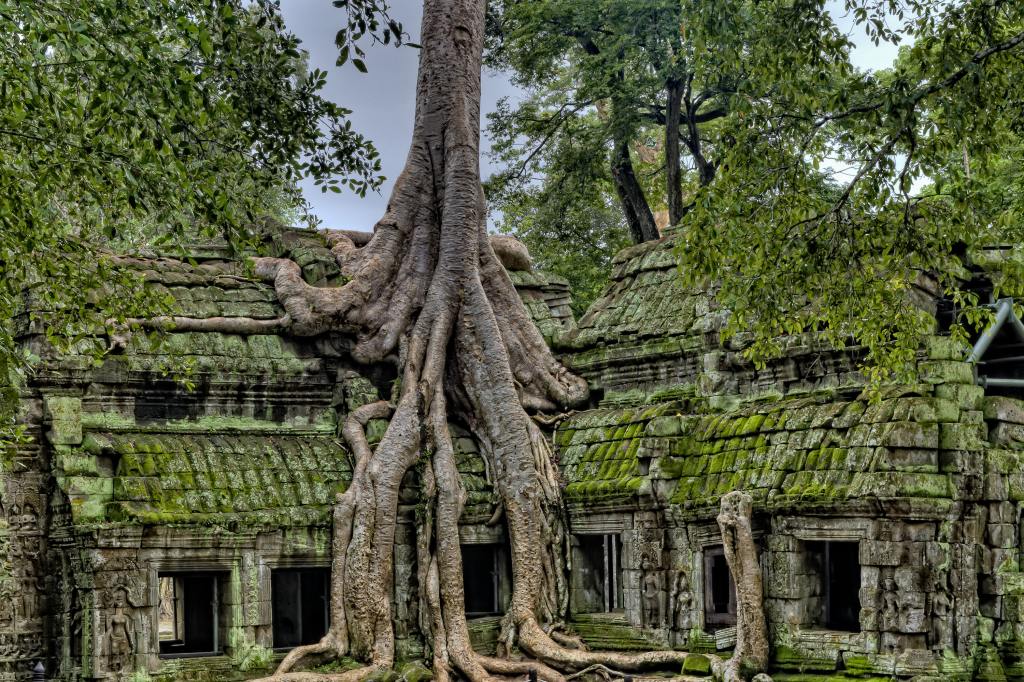
I mean the Pyramids of Giza, Stonehenges, Angkor Wats and Mayan temples of this world. Archaeologists can really study any physical remains from the past that people created, altered or used.
Those physical remains could be the skeletons and stone implements of the earliest Homo sapiens, industrial scale stone and earthen cultivation complexes found throughout Oceania, microscopic plant remains indicating local forest clearance, or those suspiciously modern-looking gin bottles your aunty came across next to her daphne bed last winter.
Those material things can really be anything preserved since the time of our most ancient of ancestors to what you forgot to clean up last week. If you can learn something about the human past by studying it, you can consider it archaeological.

Ngā taonga katoa – artefacts and features
Now we are on the same papyrus (ha… because it’s old), let’s dive a little bit deeper. We commonly refer to archaeological remains that you can pick up without them falling through your hands (not because you are clumsy) as artefacts (artifacts in North America). Artefacts can include stone tools, carved wooden objects, decorated pots or even preserved clothing.
Those things that you cannot pick up, we refer to as features. These are things like buried house floors, filled-in post-holes or the charcoal and stone piles left from cooking fires.
In Aotearoa New Zealand you may also hear artefacts and features referred to as “taonga”, which is a term encapsulating the value of those objects for tangata whenua (Indigenous Peoples of Aotearoa, people of the land) as a manifestation of our ancestral connections. A taonga, here, refers to the artefact or feature being a “treasured thing” passed down from an earlier generation. Whatever terminology you use, taonga, artefacts and features are a physical connection to our past.
Archaeological techniques
What about the second part of the wondrous archaeology definition offered above. The general intent of doing archaeology is to learn more about the past. Against common understandings, archaeology is not just digging stuff up because it will look nice on your mantelpiece (although I cannot speak from our discipline forefathers).
Archaeologists excavate the ground to carefully observe and record the contexts in which artefacts and features are positioned. That context, that layering of the physical evidence, is fundamental to our understanding of how those artefacts and features fit into the bigger picture of who, when, how and why people did what they did at that location. If that object is removed from it’s archaeological context without being recorded, our ability to understand its story is significantly diminished.
If you are taking notes, write “context is everything in archaeology”.
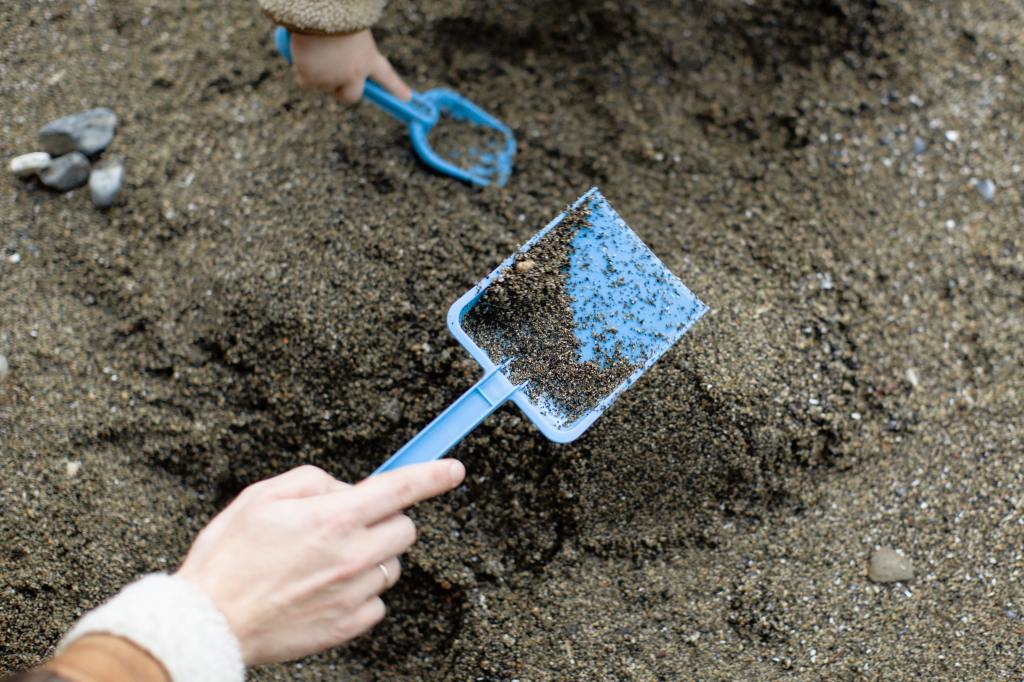
But it’s not all just about excavation. Archaeologists use a vast array of techniques that we have borrowed from other fields of study. Let’s briefly consider a few.
Geochemical signatures of stone artefacts can be detected to identify where they were originally sourced from.
LiDAR (Light Detection and Ranging) can allow surface survey of archaeological evidence from afar, even allowing us to sometimes “see” through vegetation.
One of my favourites is the use of aerial and satellite images. Although most archaeological evidence is buried below the ground, we can often see the “tip of the iceberg”, as it were, on the surface. That surface evidence may include the earthwork remains of pā Māori (Māori settlements), buried building platforms, disused road alignments or agricultural stone walls.
Other techniques include the use of geophysics to detect buried features based on their electrical resistivity, magnetism or density (radar wave reflection). These can help detect the edges of cemeteries and urupā for preservation and protection or identify buried hearths that are no longer visible on the surface.
Mosaicing the past
Perhaps you are thinking, but surely, we already know what there is to know about the past. I mean, we have histories shared by kaumātua and kuia (elders), or that we can find written in books or online, right?
Absolutely, there are so many ways to engage and learn more about the days gone by. Archaeology is but one of these. Through archaeology, we can explore when events happened in the past where there is no record, or shed light on the practices of those people that were not politically important enough to be included in official histories.
In my opinion, archaeology does not stand above these other ways of knowing what went on before. It is just another source of tesserae (those teeny bits of ceramic, shell or glass), albeit an important one, that we can use to build that incredible mosaic of the past that stands before us.
Although archaeology focuses on the physical evidence of the past in the form of artefacts and features, archaeology functions within a broader suite of how we can relate to those gone before. These same objects may be a source of information to one group and foundational to another group’s identity and sense of belonging. Through carefully designed projects with power sharing, inclusive new understandings of the past are possible through archaeology.
Thoughts to take with you
So, now you are armed with a bit more information about archaeology for your next pub quiz. It has nothing to do with dinosaurs – that’s palaeontology. It does have a lot to do about the past, however. The past stands before us in physical form as a reminder of who we are and who we come from. Archaeology is the study of that material to learn more about the people who made it, altered it or used it. Remember context is everything. Stay tuned for more.
Zac
 The Past Before Us
Nice work Zac, I’m looking forward to seeing more!
LikeLiked by 1 person
Cheers Chris!
LikeLike