
The current evidence suggests that Polynesian voyagers — the ancestors of today’s whānau, hapū and iwi Māori — settled in Aotearoa New Zealand between 1250 and 1300 CE.
We know this from whakapapa (genealogies), radiocarbon dating of archaeological sites, sedimentary environments and tephra deposits, as well as black carbon trapped in Antarctic ice layers!
If you know an archaeologist in Aotearoa New Zealand, you will probably have heard the old claim that archaeology in New Zealand is important because it is one of the last major land masses to have been occupied by people! Let’s set aside the alternative narratives for now…
How do we know Aotearoa New Zealand was settled relatively late in the human story? How do we actually know that? I will flip the script a bit here and explore the second question first. Crazy, I know…
Whakapapa: the who of the ‘when question’
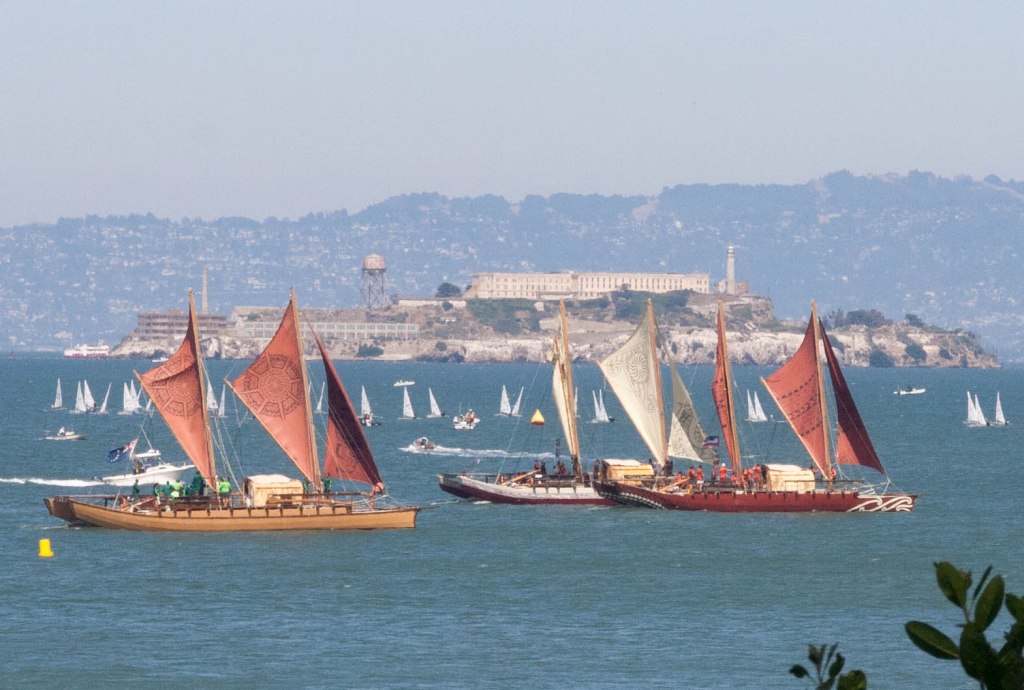
As you know, the descendants of those expert voyagers who successfully traversed Te Moana-nui-a-Kiwa (Pacific Ocean) to reach Aotearoa became the whānau, hapū and iwi we know today.
There is a rich and webbed vine-work of genealogical connections connecting descendants and ancestors vertically and whanaunga (relations) horizontally. This whakapapa is also the framework on which kōrero tuku iho (intergenerationally transmitted oral histories) are draped — at once proving social membership, belonging, political claim to land and recalling long-lasting bonds between hapū.
Believe it or not, whakapapa has been expertly maintained over centuries to preserve migration narratives to Aotearoa New Zealand.
There are several techniques in which you can relate your whakapapa to calendar years. A common way of doing this (having been done since the nineteenth century!) is to count generations back in time and assign each one an average generation length.
Using this technique, in Tangata Whenua, Atholl Anderson evaluated the estimated arrival dates of many different migration traditions, finding them all to relate to the period from 1250 to about 1450 CE.
Another modern network approach uses the complex interlaced and overlapping web structure of whakapapa to estimate how precise we can be about when individuals were born in the past. I developed this approach as part of my PhD research in Te Pua Wānanga Ki Te Ao (Faculty of Māori and Indigenous Studies) at Te Whare Wānanga o Waikato (University of Waikato) and will explain how it works another time.
Different iwi have varying accounts of who were the first explorers to arrive in Aotearoa New Zealand, such as Māui-tikitiki-o-taranga, Kupe and Toi-te-huatahi. Subsequent waka arrived at various times. However, probably not all at the same time as Percy Smith proposed in what was later called “the Great Fleet myth”. That being said, scholars still debate whether there was an initial mass migration event or not.
Radiocarbon dating
Often described as the “workhorse” of archaeology, radiocarbon or carbon-14 dating is a powerful tool to estimate when events from up to 55,000 years ago occurred in the past based on organic remains that still exist today.
The basic idea of radiocarbon dating is that all living things have carbon atoms in them. There is a particular type of carbon (known as a carbon-14 isotope), which is unstable (radioactive) and constantly changes into other atoms (including the stable carbon-12 atom).
The unstable type of carbon is constantly taken up in the atmosphere by birds, bees, plants and trees. But, on the sad day that those living things die, they stop taking up that unstable carbon from their surroundings.
Now, that unstable carbon keeps turning into other atoms inside the dead tissue, bones, wood, seeds, leaves or shell (any organic remains) of that once-living being. That change happens at a more or less (very much more and very much less) constant rate.
You guessed it! Archaeologists — well, actually radiocarbon dating specialists, beginning with Willard Libby in the late 1940s — can count the number of unstable carbon in a sample of shell, wood or bone (etc) and estimate when that critter died in the past.
There are a few complicating factors, including how to calibrate the date according to where the unstable carbon came from in the organism’s environment, what that date actually represents and many other things. But, that’s the crux of it. If you want a little bit more info, check out the video below!
Okay, now we are on the same page, how has radiocarbon dating been used to date when Polynesians first settled in Aotearoa New Zealand?
Archaeological evidence
There are lots of different forms of organic remains in early Polynesian settlements in Aotearoa New Zealand that have been radiocarbon dated. These include the preserved remains of charcoal in umu or hāngi (earth ovens), shell from midden, seeds within deposits modified in some way by people, bone from animals that were killed and eaten, and even moa egg shells!
The trick of using radiocarbon dating to date a particular event of past human activity is to be very careful about what you are dating. Say you have donned your leather hat, and you are part of a team of archaeologists who have come across a shell within an early site…
Can you be sure that shellfish died at the time that people were living there in the past? Are you sure that it isn’t just a naturally occurring beach shell? Was that charcoal burned from a natural fire? Is that wood driftwood or part of a house?
These are all questions that archaeologists have to grapple with (and so much more!)
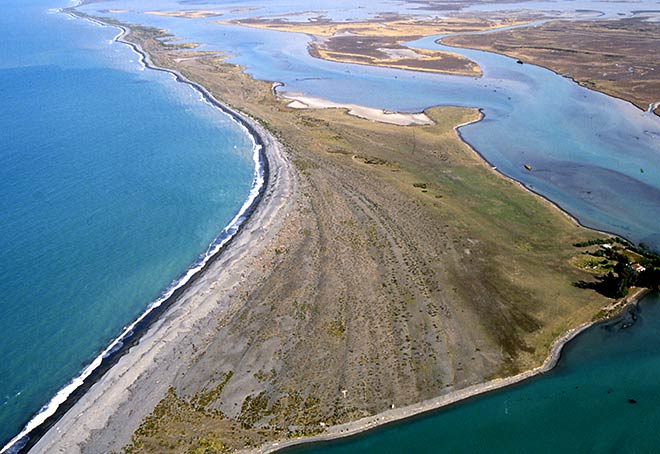
So far, the earliest radiocarbon dates are from Wairau Bar, Te Pokohiki-o-Kupe, and relate to the late 13th century or as early as about 1280 CE.
Mud cakes
Lakes, peat bogs, estuaries and swamps have sediments that can build up slowly over time as water sources (slope wash from rain, streams, rivers, waves) wash dirt into them, which settles and can remain undisturbed in layers over sometimes thousands of years.
Tiny plant remains (microfossils like pollen, starch grains or phytoliths) can be caught up in that sediment, telling us what plants were growing in surrounding areas at different times.
Charcoal from fires nearby can also wash in — locking in information about possible human activity nearby. After all, where there are people, there are fires (for cooking, clearing bush for agriculture, hunting and general environmental management).
Researchers can take long vertical column samples called cores of these sedimentary environments to capture that archive of change through time in vegetation, sediment deposition and fires. Particular markers of human activity, like the introduction of an exotic plant species, an increase of regenerating shrubs and ferns, or indications of increased erosion, can be radiocarbon-dated to indicate when people first arrived in an area.
This is precisely what has been done for many different environments around the country, resulting in radiocarbon dates within the period of 1200–1400 CE (Matt McGlone and Janet Wilmshurst undertook this influential study in 1999). These dates are still relatively imprecise.
“It burns us, precious”: Tephra
Ever seen a photo or video of a volcanic eruption? There are often big clouds of what looks like smoke, right?
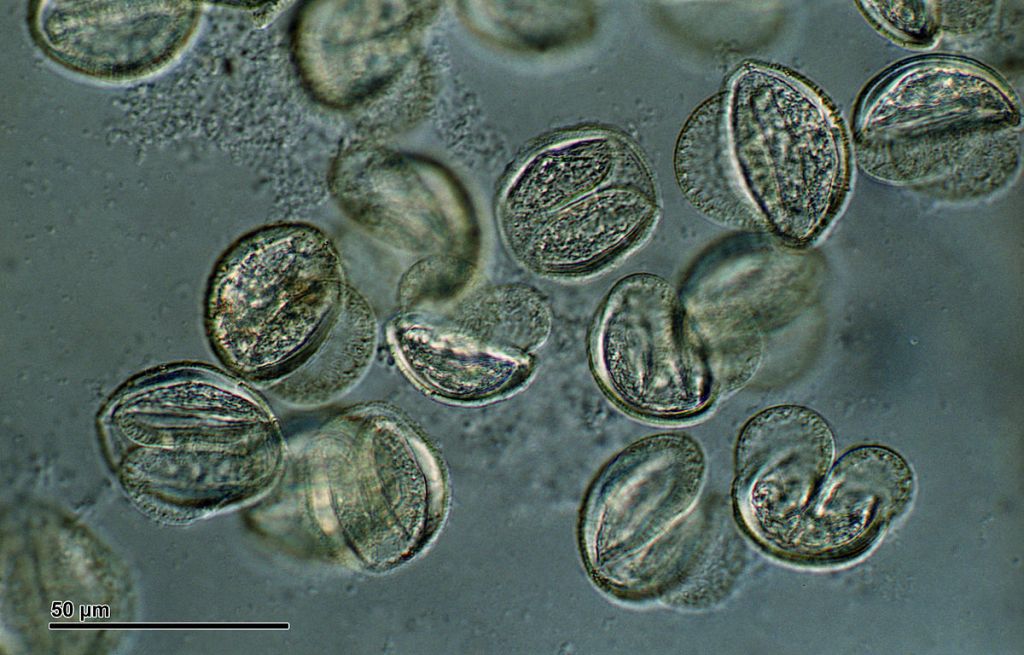
Those clouds are full of volcanic ash called tephra. When that tephra eventually falls to the ground, it can form layers on the ground surface, covering massive areas. If that tephra goes undisturbed, it can be sealed in place by other sediments deposited on top.
That tephra can then be sampled and dated very precisely and serve as important chronological markers for archaeologists interested in understanding when important events or processes occurred at a particular place.
In Aotearoa New Zealand, the Kaharoa eruption is a particular volcanic eruption from Mt Tarawera that is a critical chronological marker for when people first arrived. This is, of course, not to be confused with the famous eruption of Mt Tarawera in 1886, which destroyed the Pink and White Terraces.
There is still no archaeological evidence of any human activity below the Kaharoa tephra layer, which was deposited particularly across the eastern and northern Te Ika-a-Māui (North Island).
Fortunately, Professor Alan Hogg and his team found a tānekaha (celery pine) log within the Kaharoa deposit which was precisely dated to 1314 ± 12 CE.

Layers of ice!
More recently, Joseph McConnell and others have identified black carbon (like soot from your chimney) deposits from fires in Aotearoa preserved in ice caps in Antarctica! How amazing is that?!
Using a series of chemical changes and cross-checking with other volcanic chronologies, the researchers could effectively count years of snow and ice build-up and measure how much black carbon from fires was trapped in each year’s deposit.
Using this technique, they identified evidence of periodic natural burning before 1297 ± 30 CE (s.d.), after which there was a massive increase in burning, indicating the arrival of people to Aotearoa.

So, when does all this point to?
The current consensus of when Hawaikiian voyagers first reached Aotearoa New Zealand is between 20 and 40 generations ago, or sometime between 1250 and 1300 CE. This is based on independent dates from whakapapa analysis, radiocarbon dates from archaeological excavations, sedimentary environments and tephra deposits, as well as black carbon in Antarctic ice caps.
Is it possible that people were here before then? Sure! However, they would have to be at very small population levels, like the explorers of Māui, Kupe and Toi, to not leave a significant mark on the environmental and archaeological record.
We will never identify the year when the first foot set to sand, fire was lit, or settlement was erected. However, what we can see are several overlapping lines of evidence indicating people making a new home across the country in the late 13th century.
Thanks for reading this blog. If you like what you see, hit the subscribe button and share this site with your mates who may be interested in New Zealand’s cultural heritage and archaeology. Aku mihi!
 The Past Before Us
One thought on “When did people first arrive in Aotearoa, and how do we know that?”